
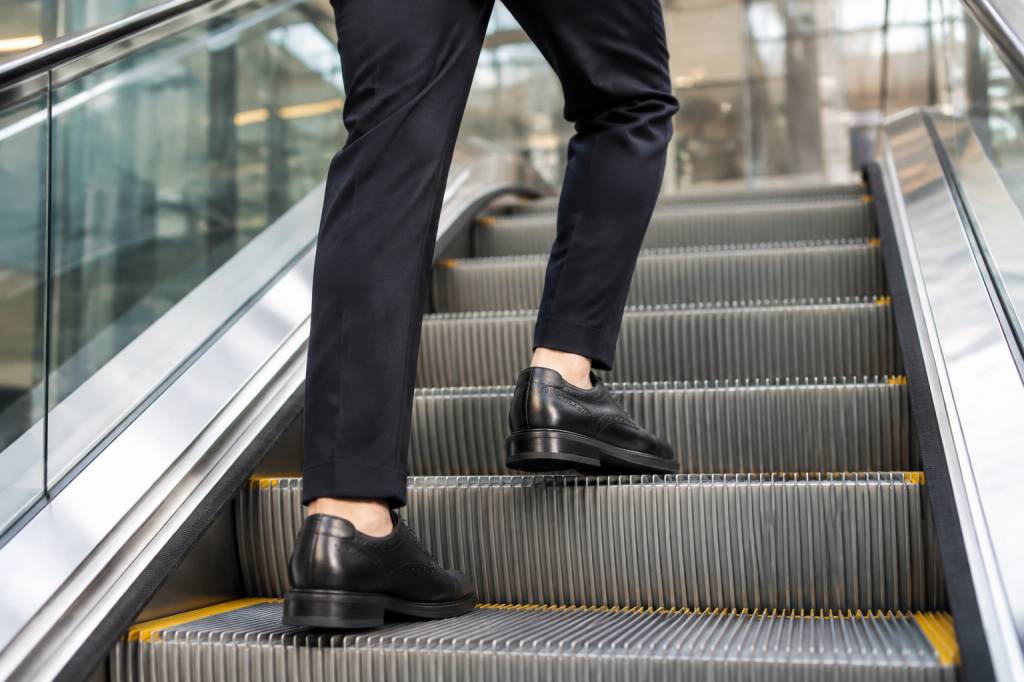
“Escalator shoes” sounds like footwear built for riding escalators. In most shopping searches, though, the phrase points to shoes that discreetly add height—more commonly called elevator shoes, height-increasing shoes, or lift shoes. The name may be unusual, but the goal is simple: gain a little height while wearing shoes that look and feel like ordinary footwear.
The catch is that not every pair delivers the same kind of lift, comfort, or style. Some use a hidden raised insole; others rely on a thicker outsole or a combination of both. If you are considering a pair, it helps to know what is inside before you buy. Here is how these shoes work, what to look for, and how to choose a pair that fits your everyday life.
What Are Escalator Shoes?
In this context, escalator shoes are height-increasing shoes designed to make the wearer appear taller. Most have a built-in lift beneath the heel, concealed inside the shoe so it is not obvious from the outside. The upper can look like a familiar style—a dress shoe, sneaker, boot, or casual lace-up—while the hidden construction adds extra height.
They are different from ordinary shoes with thick soles. A chunky sneaker may add some height through its visible sole, but a lift shoe typically places additional height inside the shoe, often under the heel. Some designs use a shaped insole that slopes from heel toward the front of the foot. Others combine the internal lift with a thicker external sole.
The result is not magic, and it should not need to be. A well-made pair aims to give you a modest boost while keeping your proportions and walking comfort looking natural. Think of it like a jacket with subtle tailoring: the change is noticeable to you, but the overall effect should still feel like your own style.
How Do Height-Increasing Shoes Work?
A typical pair uses a raised heel area hidden inside the shoe. Because the lift is built into the design, the shoe often has a higher back and more internal volume than a regular pair. This matters when you are choosing a size: the fit can feel different even if the shoe is marked with your usual size.
There are three common approaches:
-
Built-in internal lift: The height-increasing section is part of the shoe’s construction. It is usually the most integrated option and cannot be removed like a separate insert.
-
Removable lift insert: A raised insert sits inside the shoe. It may be convenient because you can adjust or remove it, but it can also shift, take up toe room, or change how securely your heel sits.
-
Thicker external sole: The outsole adds visible height, much like a platform sneaker or boot. This is less concealed, but the support may feel familiar and the design can be easier to wear for long periods.
Some shoes combine these methods. The advertised height increase is not always the same as the internal lift measurement, since the outsole and the way the shoe sits on your foot also affect the final result. Check the product details carefully, and treat big promises with a healthy dose of skepticism.
Why Do People Wear Them?
For some people, height-increasing shoes are simply a style choice. A little extra height can change how trousers break over the shoe, how a jacket sits, or how someone feels walking into a room. Others like having the option for work, social events, or photographs without changing their whole wardrobe.
There is no single reason that makes a pair worthwhile. The practical question is whether the shoes fit your routine. If you spend most of the day standing, comfort should matter more than the maximum lift. If you want a pair for occasional dinners or events, you may be willing to prioritize a dressier design.
Brian’s rule of thumb is straightforward: buy for the occasions you actually have, not the imaginary life you might lead in a catalog. A comfortable pair you wear is more useful than a dramatic pair that stays in the closet.
Choose the Right Lift for Your Needs
It is tempting to begin with the biggest height number on the product page. Resist that impulse. A larger lift can place more of your foot at an incline, which may feel awkward or tiring if the shoe is not designed to support it. The right amount is the one you can wear comfortably and naturally.
For a first pair, consider a modest lift and give yourself time to get used to the feel. Walk around at home before wearing the shoes for a full day. Notice whether your heel feels secure, whether your toes have room, and whether your stride feels normal. If you are shifting your weight forward or shortening your steps, the design may not suit you.
Comfort depends on more than the lift height. Look at the shape of the footbed, the padding, the arch support, the outsole, and the shoe’s overall construction. A well-balanced design should not feel like you are standing on a steep ramp.
Pick a Style You Will Actually Wear
Height-increasing shoes are available in many familiar styles, so start with the clothes and occasions you already have in mind.
-
Dress shoes: A practical choice for suits, office wear, and formal events. Look for a clean profile, a secure fit, and a toe shape that works with your trousers.
-
Sneakers: Useful for casual outfits and everyday wear. A thicker outsole may make the extra height less conspicuous, but check that the shoe does not feel bulky.
-
Boots: Often a natural fit for cooler weather and casual or smart-casual clothing. A boot’s higher collar can help hold the foot securely, though the overall fit still needs to feel comfortable.
-
Loafers and slip-ons: Convenient for quick wear, but they need to hold the heel firmly. A shoe that slips at the back can become irritating fast.
Think about proportion as well as appearance. A very narrow trouser opening paired with a bulky shoe can look unbalanced; a sleek dress shoe may disappear under a wider hem. The goal is not to hide every feature of the shoe. It is to choose a design that looks intentional with the clothes you own.
Get the Fit Right
Fit is where many online purchases go sideways. Height-increasing shoes may have less usable space inside because the lift occupies part of the shoe. Your regular size is a starting point, not a guarantee.
Before ordering, check the brand’s sizing chart and return policy. Measure both feet while standing, ideally later in the day when feet may be slightly larger. If one foot is longer, use that measurement as your guide. Read reviews for comments about width, heel slip, toe room, and whether customers found the shoes true to size.
When trying a pair on, wear the socks you expect to use with them. Your toes should not be cramped, and your heel should not lift excessively as you walk. The shoe should feel secure without needing to be painfully tight. If you use orthotics, check whether they can be accommodated; a built-in lift may not leave enough room for an additional insert.
Walk on a clean, level surface indoors first. Try a few turns, steps, and a short flight of stairs if that is safe and practical. A shoe can feel fine while standing still and reveal its problems after five minutes of walking.
Check Materials and Construction
A convincing product photo can tell you what a shoe looks like, not how it will feel after a full day. Look for clear information about the upper, lining, footbed, outsole, and lift construction. Genuine leather can soften and adapt over time, while synthetic materials may be easier to clean or less expensive. Neither material is automatically better; quality and construction matter more than labels alone.
Pay attention to the heel counter—the firmer section around the back of the foot. A stable heel counter can help the shoe hold your foot in place. Also inspect the outsole for grip and flexibility. A sole that is too stiff may make walking feel unnatural, while poor traction is an unwelcome surprise on a wet pavement.
When a product page gives little detail about the lift, sizing, or returns, consider that a warning sign. A trustworthy seller should explain what you are buying and make it possible to exchange a pair that does not fit.
Common Mistakes to Avoid
-
Choosing the biggest lift available: More height is not automatically better. A comfortable, balanced pair is more useful than an extreme lift that changes your gait.
-
Ignoring the return policy: Sizing can vary by brand and style. Keep the option to exchange or return the shoes, and try them indoors before wearing them outside.
-
Expecting a hidden lift to feel exactly like a regular shoe: The footbed and internal space are different. Give yourself a short adjustment period, but do not dismiss ongoing pain as something you must simply endure.
-
Buying for one number alone: Marketing claims do not tell you whether a shoe is stable, well made, or right for your wardrobe.
-
Wearing a new pair all day immediately: Start with shorter periods. Your feet can tell you a lot before your calendar does.
Are Escalator Shoes Comfortable?
They can be, provided the design fits your foot and the lift is sensible for you. Comfort is personal: foot shape, walking habits, daily activity, and the shoe’s construction all play a part. A pair that suits someone who wears dress shoes for a few hours may not be the best choice for someone who walks several miles at work.
Pay attention to persistent pressure, numbness, rubbing, or pain. Those are not badges of honor or signs that the shoes are “breaking in.” Stop wearing the pair and reassess the fit. If discomfort continues or you have a foot condition, ask a qualified health professional for advice rather than trying to solve it by adding another insert.
For regular wear, alternate shoes when you can. It gives each pair time to air out and gives your feet a change of support and pressure points. Basic shoe care is not glamorous, but it does more for a pair’s lifespan than heroic polishing once a year.
A Simple Buying Checklist
Before you place an order, run through these questions:
-
Is the shoe made for the occasion you have in mind?
-
Is the lift amount clearly explained, and does it seem comfortable for regular walking?
-
Does the brand provide a useful size chart and clear guidance on fit?
-
Are the heel, footbed, and outsole described well enough to judge support and stability?
-
Can you return or exchange the shoes if the fit is wrong?
-
Will the style work with clothes you already own?
Escalator shoes are best understood as height-increasing footwear with a hidden or integrated lift—not as a separate kind of shoe with its own mysterious rules. Choose a style that suits your wardrobe, focus on fit before lift, and test the shoes gradually. A good pair should feel like a practical part of your outfit, not a balancing act you have to think about every time you take a step.